The first screen: what you fix, when you are open, how to book
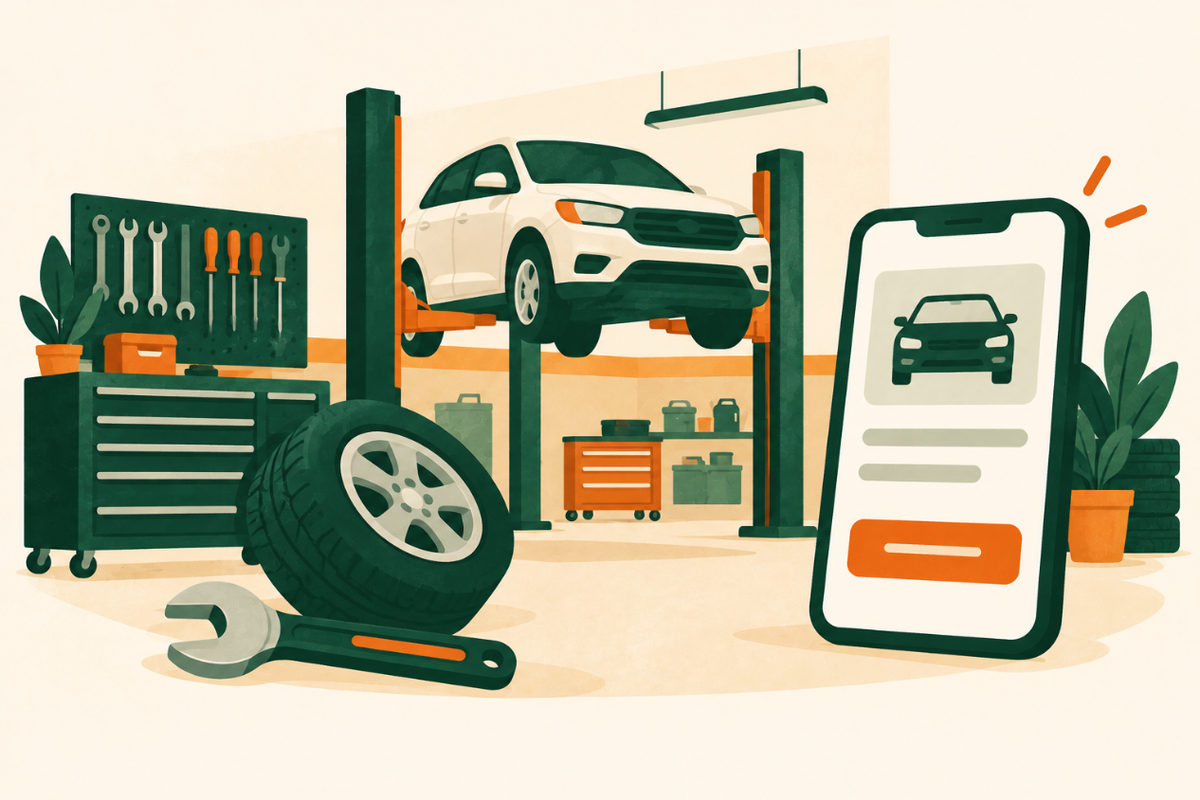
A driver with a warning light on the dashboard is looking at your site on a phone. Before scrolling, they should see the main services you offer, today’s hours, a phone number they can tap, a button to book and your address with a map link.
If you specialize, say so right there: European cars, diesel trucks, hybrids, fleets. It attracts the jobs you want and filters the ones you don’t.
List your services and the makes you work on
Give each main service a short section or page: brakes, diagnostics, oil changes and maintenance, transmission, tires and alignment, air conditioning. Say what the service includes and how long it usually takes.
Mention your diagnostic fee and whether it counts toward the repair. The FTC tells car owners to ask whether there is a diagnostic charge if they have the work done elsewhere, so answer it before they have to.
Show certifications and licenses
The FTC suggests looking for shops that display certifications, such as the Automotive Service Excellence (ASE) seal, and checking that they are current. It also points out that certification alone is no guarantee of good or honest work, so pair it with reviews and a clear warranty.
Show only certifications your technicians currently hold, and any license your state or city requires. The FTC tells consumers to ask to see current licenses where local law requires them.
Explain how estimates and approvals work
The FTC advises car owners to get a written estimate before work begins, covering the problem, the parts and the expected labor, and to make sure it says the shop will contact them before going over a set amount of time or money. It notes that state law may require this.
If that is how you work, say it plainly on the site: “Written estimate before we start. We call you before any extra work.” It answers the biggest fear in auto repair in one sentence.
Spell out your warranty
The FTC reminds consumers that there is no standard warranty on repairs and tells them to get the terms in writing. Put yours on the site in plain words: what it covers, for how long or how many miles, whether parts and labor are both included, and how to make a claim.
The FTC also tells car owners to make sure a shop will honor their vehicle’s warranty, so explain your policy for cars still under the manufacturer’s warranty.
Offer old parts and itemized invoices
The FTC suggests asking for the replaced parts back, which state law may require, and for a completed repair order listing each repair, the parts and their costs, labor charges and the odometer reading. A line such as “Your old parts back on request, and every invoice itemized” shows customers you have nothing to hide.
Reviews and your Google profile
Most drivers find a repair shop on Google Maps. Keep your profile’s hours, services and holiday hours identical to your website, connect a booking provider or link if you take appointments, and link to the site. Then ask every customer for a review, the same way each time. Our guide to getting more Google reviews covers how.
An example first screen
For a hypothetical independent repair shop. Claim only certifications your technicians currently hold.
Example homepage opening
Brakes, diagnostics and maintenance in Springfield
Written estimate before any work, and a call before anything extra. Open today 7:30 am to 6 pm. [Book a service] [Call (555) 010-3579]
Plan your first screenExample wording to adapt; this is not a live business enquiry.
Your checklist
Use this while reviewing the website. Your progress is not saved or sent.
Questions to work through
Should I show prices on my repair shop website?
Where you can, yes: starting prices for common services such as oil changes or brake pads, plus your diagnostic fee. For repairs that vary, explain how your written estimates work.
Do customers care about ASE certification?
The FTC tells car owners to look for certifications such as the ASE seal, so showing current ones answers a question many customers already have. The FTC also notes certification alone doesn’t guarantee good work.
Should customers be able to book online?
If you can keep the schedule accurate, yes. You can also connect a booking provider or add a booking link to your Google Business Profile so drivers can book from Maps.
How many pages does a repair shop website need?
Usually five to eight: home, services (or a page for each main service), certifications and warranty, how estimates work, reviews, and contact with hours and a map. This guide is general information, not legal advice.
Sources and further reading
Use the original guidance alongside this planning article. The examples here are adaptable starting points, not claims about your business.
- FTC Consumer Advice: Auto repair basics
- Google Business Profile Help: Set up bookings through a provider
- Google Business Profile Help: How to set Special hours
- Google Business Profile Help: Tips to get more reviews
- Venant Studio: How to get more Google reviews for your business
- Venant Studio: Google Maps checklist