Grow street by street
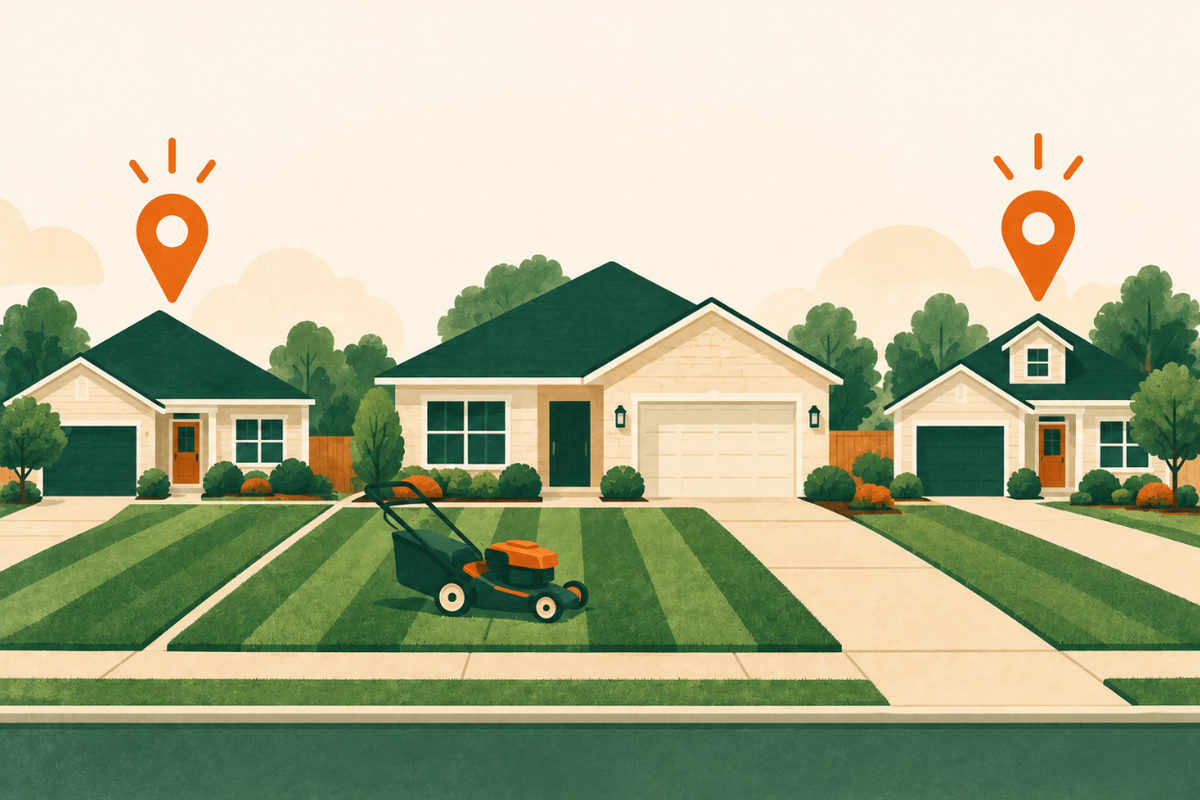
Every yard you mow is an advertisement to the neighbors watching. Start where you already work: tell customers you have openings on their street, and ask whether a neighbor might want service on the same day.
Yard signs at customers’ homes, with their permission, and door hangers on the same street put your name in front of people who just saw the result. Check your town’s and your HOA’s rules on signs and flyers first.
Set up your free Google Business Profile
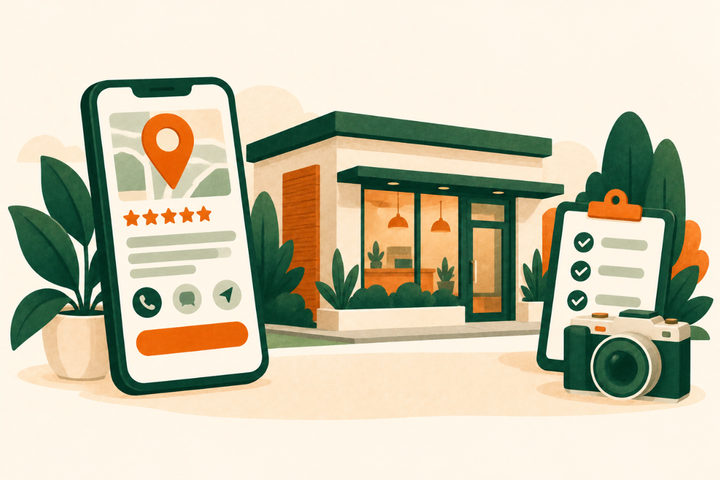
When homeowners search for lawn care near them, Google usually shows nearby businesses on a map. Creating a Business Profile is free, and Google says only verified businesses can show on Maps and Search. You go to customers, so Google’s guidelines say to hide your address and set a service area instead.
Choose the most specific category, list every service (mowing, edging, leaf cleanup, aeration, mulching) and add photos of real yards you have finished. Keep it current through the seasons: if you stop mowing in winter, update your services and say what you offer instead, such as leaf removal or snow plowing.
Ask every customer for a review, and take photos
Send your review link after the first cut and again after a big job such as a spring cleanup. Google lets you create a review link or QR code from your profile.
Ask everyone the same way: Google’s policy forbids asking only happy customers, and forbids discounts or free services in exchange for reviews. The FTC’s review rule also bans rewards tied to positive or negative reviews.
Before-and-after photos of overgrown yards sell better than any slogan. Take them every time, with the customer’s permission, and use them on your profile and website.
Quote fast, and make prices clear
Homeowners often ask two or three companies and hire the first one that answers clearly, so reply the same day and follow up once if they go quiet. Offer a simple quote form: name, phone, address, the services and how often. With the address, you can look at the yard on a satellite map and quote many jobs without a visit.
Give starting prices for a standard yard, or explain what changes the price: lot size, slope, obstacles, how overgrown it is and how often you come.
Partner with people who already have your customers
A few partners can bring more yards than a month of flyers. Look for:
- Real estate agents preparing homes for sale.
- Property managers and HOAs that need a reliable crew.
- Garden centers and nurseries whose customers want installation or upkeep.
- Other home service businesses, such as pressure washers, gutter cleaners and pool services.
Sell seasons, not single cuts
A customer on a season plan, with mowing, spring and fall cleanups and aeration, is worth far more than a one-time cut, and plans make your schedule predictable. Offer the plan at the first quote, and remind customers before each season starts.
Keep customers coming back next year
Come on the same day, do the small things (blow clippings off the walk, close the gate) and text when you are done. Before the season ends, ask customers to book next year.
Paid options, measured
Google’s Local Services Ads appear prominently in Google Search, you pay only when a customer contacts you from the ad, and businesses that pass Google’s screening show a “Google Verified” badge. They are available only for certain service categories, so check whether yours qualifies where you work. Lead sites and local ads can work too, but you pay for every lead.
Whatever you try, ask every new customer “How did you hear about us?” and drop what doesn’t bring customers who stay.
A street message you can copy
Send it to a current customer when you have openings nearby.
Example text message
Room for one more on your street
Hi Dave, we have room for one more yard on Elm Street on Tuesdays. If a neighbor has been looking for help, we’d be glad to give them a free quote. Thanks for sending them our way!
Send it when you have openingsExample wording to adapt; this is not a live business enquiry.
Your checklist
Use this while reviewing the website. Your progress is not saved or sent.
Questions to work through
How do I get lawn care customers fast?
Start on the streets you already mow: ask customers about neighbors, use yard signs with permission and door hangers where they are allowed, and set up your Google Business Profile. Partners such as real estate agents and property managers can bring several yards at once.
Are door hangers worth it for lawn care?
They can be when you focus them on the streets where you already work, so people see a finished yard next door. Check your town’s and HOA’s rules on flyers and signs first.
Should I give a discount for reviews?
No. Google’s policy forbids offering payment, discounts or free services in exchange for reviews, and the FTC’s review rule bans rewards tied to positive or negative reviews.
What should a lawn care website include?
Your services and the areas you cover on the first screen, photos of real yards, starting prices or what affects them, a quote form and your phone number. Our home service website guide covers the details.
Sources and further reading
Use the original guidance alongside this planning article. The examples here are adaptable starting points, not claims about your business.
- Google: Business Profile, free to create
- Google Business Profile Help: Find your business on Google
- Google Business Profile Help: Guidelines for representing your business on Google
- Google Business Profile Help: Manage your services on your Business Profile
- Google Business Profile Help: Create a Google link or QR code to request reviews
- Google Maps user-generated content policy: Prohibited and restricted content
- FTC: Final rule banning fake reviews and testimonials (August 14, 2024)
- Google Local Services Ads Help: Getting started with Local Services Ads
- Venant Studio: What a home service business website needs
- Venant Studio: Why isn’t my business showing up on Google Maps?